
StanCOMP HK RWA: Audits & Fit-and-Proper Guide

HK RWA in 2025: audits first, governance always
Tokenisation in Hong Kong has moved from pilots to policy. With Policy Statement 2.0 confirming regular tokenised government bond issuance and a broader legal/regulatory review of RWA tokenisation, scrutiny is rising on two fronts: smart contract assurance and “fit-and-proper” governance for those issuing, arranging, or safekeeping these assets.
If you want your tokenised product to clear due diligence and regulator questions, treat audits and fit-and-proper as design constraints, not afterthoughts.
What Hong Kong is signalling
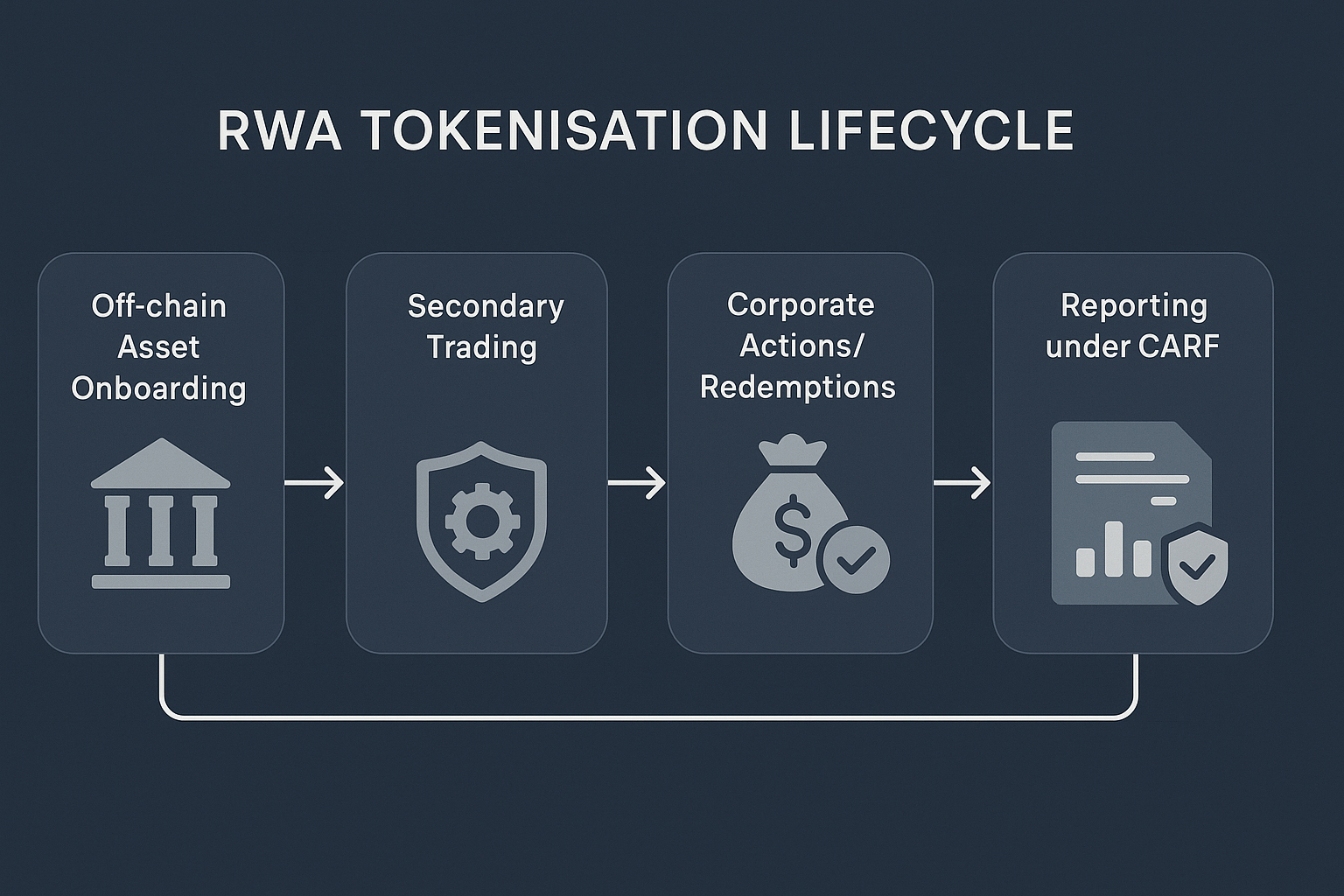
- Policy Statement 2.0: focus on bonds first, then other RWAs and instruments; government to continue issuing tokenised bonds; legal and regulatory review underway; alignment with OECD’s Crypto-Asset Reporting Framework (CARF) for tax transparency. See the Financial Services and the Treasury Bureau (FSTB) and OECD resources: FSTB, OECD CARF.
- Custody consultation: standalone VA custodian regime with fit-and-proper, conduct, and risk management requirements; authorities are considering whether licensed custodians may offer additional activities (e.g., staking) under safeguards.
- Implication: if your tokenised product is a security, SFC conduct rules apply; if you provide custody, expect a licence with capital, segregation, and tech/ops standards. If tokens are non-securities but offered to the public/retail, expect VATP-like obligations to echo across distribution and custody.
Smart contract auditing that passes Hong Kong diligence
Regulators and institutional allocators will ask two questions: can the code fail, and if it does, can you contain the blast radius?
-
Required controls for RWAs
- Role/permission design: owner, admin, pauser, minter, upgrader; multi-sig with threshold and change logs.
- Lifecycle controls: whitelisting, mint/burn with off-chain evidence (custody receipts, registrars), pause/freeze, allowlist for venue access.
- Upgradeability and kill-switch: timelocked upgrades, on-chain announcements, immutable sections for settlement logic where possible.
- Oracle and off-chain bridges: data provenance, fallback logic, and heartbeat monitoring.
-
Auditor deliverables that land well with SFC/issuers
- Two independent audits (one pre-deploy, one post-change); threat model aligned with business flows.
- Formal verification on invariants (e.g., totalSupply equals off-chain register balance).
- Runtime monitoring: on-chain alerts for role changes, mint ceilings, and anomalous transfers.
- Documented mapping of on-chain events to off-chain records and corporate actions.
Fit-and-proper, in practice (issuers, arrangers, custodians)
“Fit and proper” in Hong Kong is not a tick box. The SFC assesses controllers, ROs, and MICs against integrity, competence, financial resources, internal controls, and AML/CTF readiness. Start here: SFC Licensing.
What to evidence now:
- Governance: board-approved risk appetite for tokenisation; clear segregation of duties (front office vs. custody vs. tech).
- People: ROs with securities and tech risk experience; MLRO with VA-specific typologies. Illustrative: minimum 8–10 years relevant across two team leads.
- Financial resources: capital runway for 12 months of op-ex; insurance/indemnity for custody loss events where applicable.
- Controls: asset segregation (omnibus vs. fully segregated), key management (HSM/MPC), change management tied to smart contract upgrade gates, reconciliations bridging on-chain and books/records.
- CARF readiness: wallet/account mapping to customers, travel-rule alignment, and exportable transaction logs.
A pragmatic 90‑day plan
- Weeks 1–2: classify your token (security vs. non-security); decide licensing pathway (Type 1/4/9 and/or custodian regime as it launches). Gap assess against SFC tokenisation guidance and custody consultation principles.
- Weeks 3–6: finalize token economics and permissions; commission two audits; draft incident response and upgrade policy; set up on-chain monitoring.
- Weeks 7–10: build evidence pack for fit-and-proper (CVs, training logs, policy suite, financials); run tabletop for contract-failure and redemption delays.
- Weeks 11–12: pre-launch attestation tying off-chain registers to mint amounts; client disclosures on redemption, valuation, and pause/freeze conditions.
One more thing: document what you will not do. Limits impress regulators.
If you want a quick read-out on your audit and fit-and-proper posture, StanCOMP can run a two-week readiness review and give you a red/amber/green map you can act on. Reach us at stancomp.com.


