StanCOMP Compliance: HK VASP CRA & Real-Time Monitoring

StanCOMP Compliance: HK VASP CRA & Real-Time Monitoring
Getting a Hong Kong VASP licence (or preparing for OTC/custody regulation) isn’t just about forms and policies. It’s about whether your Customer Risk Assessment (CRA) and real-time monitoring can actually detect ML/TF risks in the way Hong Kong regulators expect under the AMLO.
Below is how we’re advising founders and COOs to get it right, fast, and without rework.
Why CRA matters now
- VASP licensing: The SFC’s VASP regime requires risk-based AML/CFT controls that align with Schedule 2 to the Anti-Money Laundering and Counter-Terrorist Financing Ordinance (AMLO) — including CDD, ongoing monitoring, and record-keeping. See SFC’s VASP licensing page.
- OTC providers: The Government has consulted on bringing VA OTC providers into AMLO due to their ML/TF risk and market presence. Expect registration and Schedule 2-style obligations. See FSTB consultation materials on OTC regulation.
- Custodians: A separate consultation proposes licensing/registration of VA custodians with full Schedule 2 duties around CDD and record-keeping. See FSTB’s VA custodian consultation.
- Bottom line: Whether you’re a VASP, OTC desk, or standalone custodian, Schedule 2 is your floor, not your ceiling. Read AMLO Cap. 615 (Schedule 2) here.
What a regulator-ready CRA looks like
You need a documented, data-backed model that drives onboarding decisions and ongoing monitoring. At a minimum:
- Profile-based risk scoring: Jurisdiction, product/service, delivery channel, customer type, source of funds/wealth, and VA-specific factors (self-hosted wallets, mixers, privacy coins).
- External risk signals: Sanctions, PEPs, adverse media, blockchain risk attribution (e.g., exposure to darknet markets, sanctioned addresses, fraud typologies).
- Triggered review logic: When risk changes (large inflows, new counterparties, new jurisdictions), CRA must upgrade and kick off EDD.
- Governance: Model design, version control, annual validation, and board approval. Document your rationale for weighting and thresholds — regulators ask.
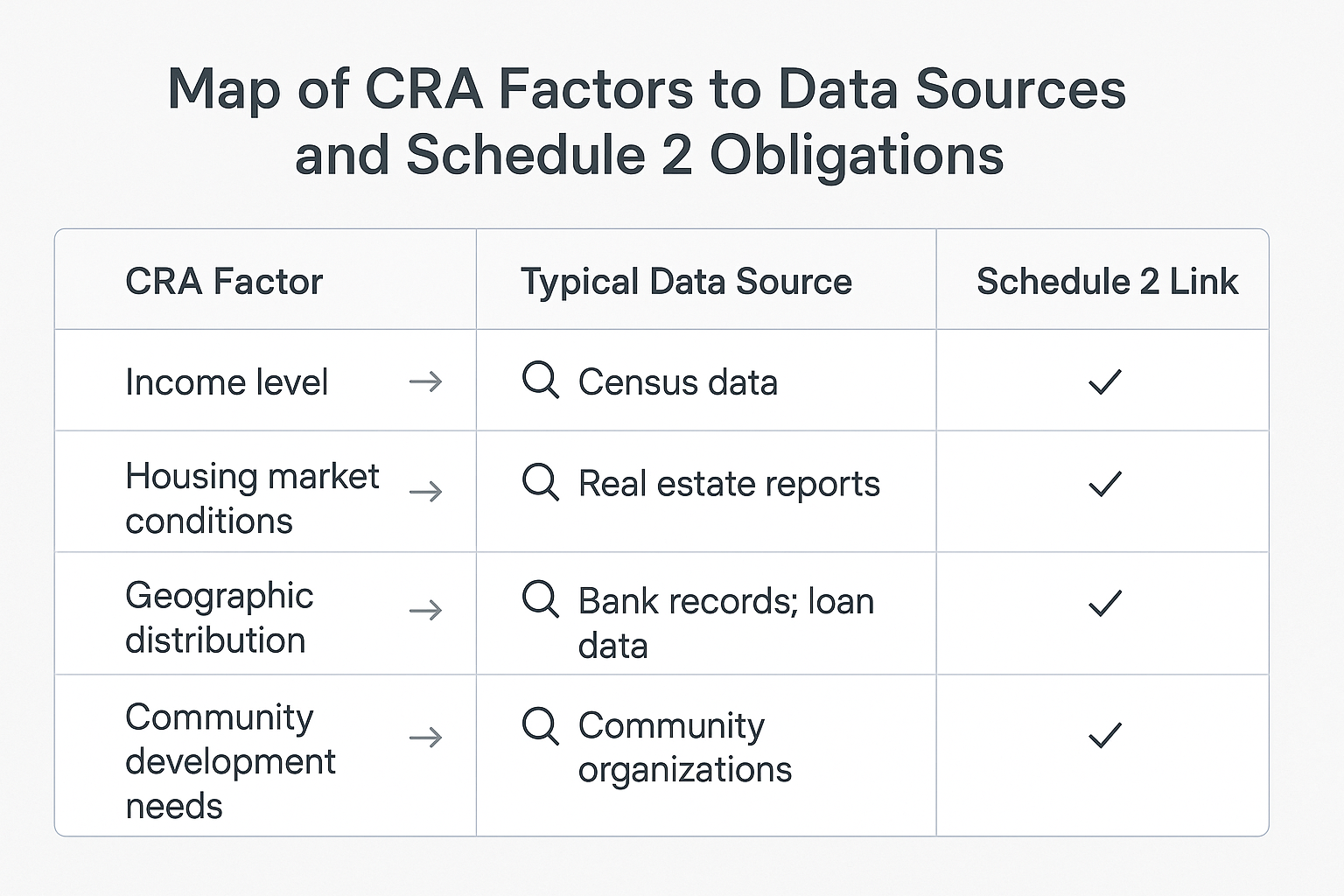
| CRA Factor | Typical Data Source | Schedule 2 Link |
|---|---|---|
| Customer and BO identity, PEP | KYC/KYB, PEP/sanctions screening | CDD and PEP measures |
| Jurisdiction risk | Internal matrix, FATF lists | Risk-based approach |
| Wallet risk | Blockchain analytics | Ongoing monitoring |
| Source of funds/wealth | Bank statements, on-chain traces | EDD for high risk |
| Delivery channel | Non-face-to-face controls | Enhanced measures |
| Record-keeping | Case files, alerts, SARs | Min. 6-year retention |
Real-time monitoring that actually works
The SFC expects ongoing monitoring consistent with your CRA and the SFC AML/CFT Guidelines for LCs and VASPs. For virtual assets, “real-time” means event-driven, not next-day batch.
Design tips we implement with clients:
- Event ingestion: On-chain events, order book activity, deposits/withdrawals, Travel Rule messages, sanctions updates, and KYC changes feed a central decision engine.
- Rules plus models: Start with explainable typology rules (e.g., rapid in-and-out, chain-hopping, structuring just below KYC thresholds, exposure to sanctioned addresses) and layer supervised models only where you can evidence effectiveness.
- Travel Rule integration: Don’t treat it as a mailbox. Use originator/beneficiary info to enrich counterparties and drive alerts when data is missing or high-risk. See SFC AML/CFT materials.
- Alerting KPIs (illustrative): Median alert time under 5 minutes; false positive rate under 12%; EDD completion within 2 business days for medium-high alerts; Travel Rule data match rate above 95%.
- Case workflow: Escalation paths, maker-checker, and SAR decisioning with clear audit trails. Retain for at least 6 years per Schedule 2.
OTC and custodian specifics
- OTC (consultation stage): Prepare for registration, fit-and-proper, and CRA/monitoring obligations similar to VASPs, especially for cash-heavy storefronts and kiosks. Expect tighter controls on cash thresholds, Travel Rule compliance for transfers to VASPs, and enhanced source-of-funds checks.
- Custodians (consultation stage): Segregation of client assets, wallet governance, transaction authorization controls, and Schedule 2 CDD/record-keeping. Monitoring should cover withdrawal authorization patterns, hot-cold wallet flows, and beneficiary verification.
What to do this quarter
- Gap assess against Schedule 2 and SFC AML Guidelines. Prioritize CRA documentation, rule inventory, and alert KPIs.
- Build a Travel Rule-anchored counterparty risk process. Don’t let it sit outside your case system.
- Validate your model. Back-test last 6–12 months; document outcomes, overrides, and improvements.
- Prepare board reporting: risk heatmaps, alert volumes by typology, SARs, and remediation status.
Conclusion
Licensing is the starting line. In 2025, Hong Kong supervisors want to see a living CRA and monitoring program that catches VA-specific risks in real time and proves it with data. If you’re building or upgrading your stack, StanCOMP can help you operationalize Schedule 2 expectations without over-engineering — and be ready as OTC and custody rules crystallize.
Useful links:
- AMLO (Cap. 615) and Schedule 2: https://www.elegislation.gov.hk/hk/cap615
- SFC VASP Licensing: https://www.sfc.hk/en/Rules-and-standards/Virtual-asset-service-providers-licensing
- SFC AML/CFT resources: https://www.sfc.hk/en/Rules-and-standards/Anti-Money-Laundering-and-Counter-Financing-of-Terrorism
- FSTB consultations (OTC and custody): https://www.fstb.gov.hk/en/publication/consultation/index.html