
Navigating AML/CTF in Virtual Asset Transactions

Navigating AML/CTF in Virtual Asset Transactions
The rapid evolution of virtual assets has not only transformed the financial landscape but also posed significant challenges in terms of regulatory compliance, particularly concerning Anti-Money Laundering (AML) and Counter-Terrorist Financing (CTF). In Hong Kong, the regulatory environment has been rapidly adapting to these challenges by implementing robust frameworks, grounded in the guidelines provided by the Financial Action Task Force (FATF).
Understanding the Regulatory Landscape
Hong Kong has been proactive in establishing a regulatory regime that aligns with FATF standards, which are internationally recognized benchmarks for combating money laundering and terrorist financing. The FATF, established in 1989, plays a pivotal role in setting these standards, and Hong Kong, as a member, is committed to upholding them.
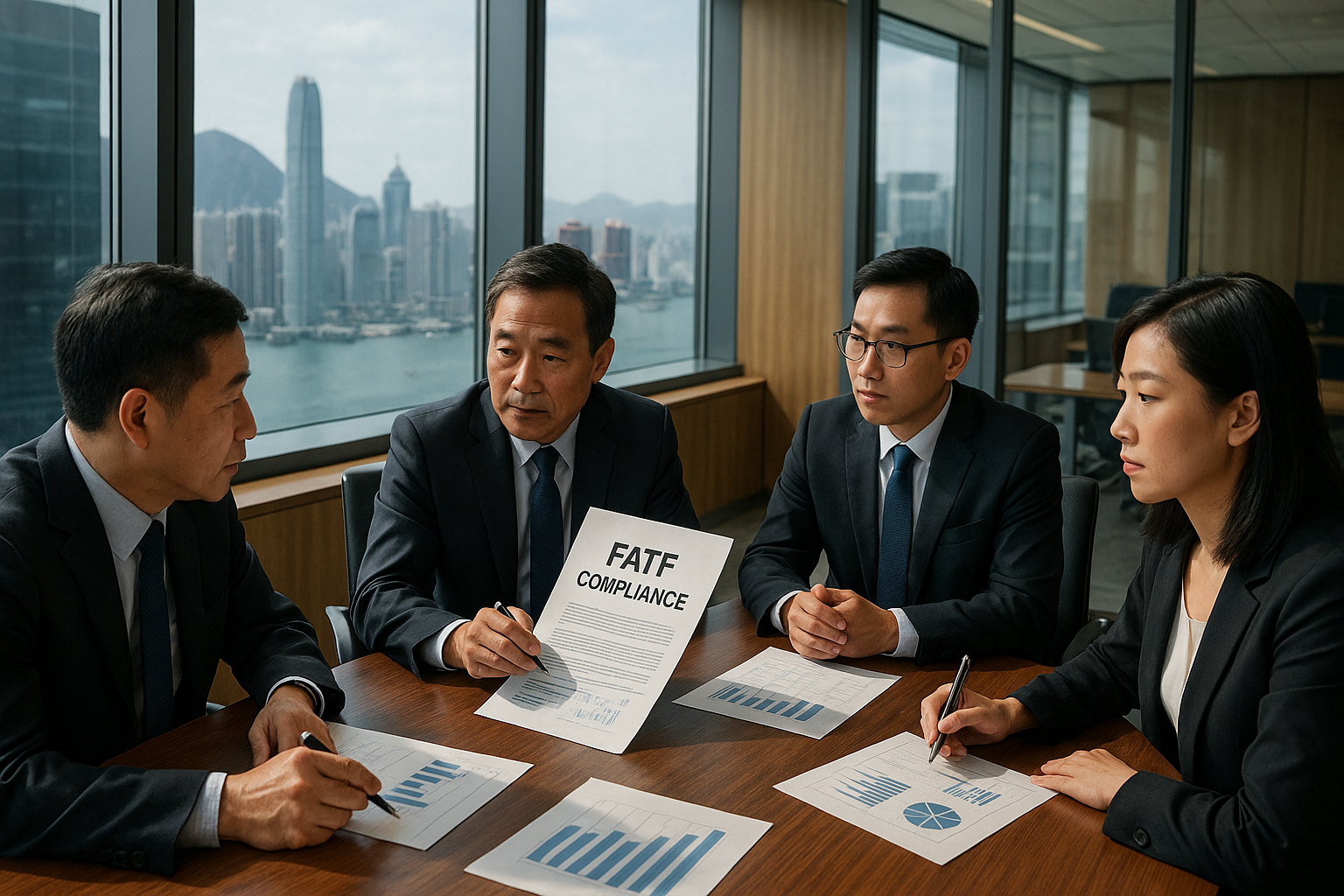
The Anti-Money Laundering and Counter-Terrorist Financing (Amendment) Ordinance 2022, for instance, was a significant legislative step. It introduced comprehensive requirements for Virtual Asset Trading Platforms (VATPs), emphasizing customer due diligence (CDD) and record-keeping. This ordinance is part of Hong Kong's broader strategy to ensure investor protection while mitigating risks associated with virtual assets.
Key Components of AML/CTF Compliance
-
Customer Due Diligence (CDD): This is a critical component of AML/CTF measures. CDD involves verifying the identity of customers, understanding the nature of their business, and assessing potential risks of illegal activity. This process is essential for Virtual Asset Service Providers (VASPs) to prevent their platforms from being used for money laundering or terrorist financing.
-
Record-Keeping: VASPs are required to maintain comprehensive records of transactions and customer information. This not only aids in regulatory compliance but also ensures transparency and accountability. It enables authorities to trace and investigate suspicious activities effectively.
-
Investor Protection: Beyond compliance, investor protection is a fundamental objective. By enforcing stringent AML/CTF measures, Hong Kong aims to create a secure environment for investors, thereby fostering trust in the virtual asset market.
Enforcement and Compliance
In the event of non-compliance, the regulatory framework in Hong Kong allows for investigative proceedings and enforcement actions. This could include penalties and revocation of licenses for VASPs failing to meet AML/CTF standards. The regime is designed to adapt and incorporate additional regulatory requirements as needed to address emerging risks, such as those posed by over-the-counter (OTC) virtual asset services.
The Importance of Due Diligence and Know Your Transaction (KYT)
To further mitigate risks, VASPs are encouraged to adopt Know Your Transaction (KYT) practices. KYT involves monitoring and analyzing transaction patterns to detect and prevent illicit activities. This proactive approach is crucial in the dynamic landscape of virtual assets, where new threats can emerge rapidly.
Moreover, with the integration of traditional financial systems and virtual assets, it is vital to ensure that all transactions are conducted with transparency and integrity. This can prevent the layering of crime proceeds and their conversion into fiat money, a common tactic used in money laundering schemes.
Conclusion
As the virtual asset industry continues to grow, so too does the complexity of the challenges it presents. However, with the implementation of robust AML/CTF measures, such as those outlined by the FATF and enacted by Hong Kong, these challenges can be effectively managed. By prioritizing customer due diligence, record-keeping, and investor protection, Hong Kong is setting a benchmark for regulatory compliance in the virtual asset sector.
For more detailed guidance on navigating AML/CTF regulations in virtual asset transactions or to ensure your compliance strategy is up-to-date, feel free to contact us at StanCompliance. Our expertise can help you stay ahead in this rapidly evolving market.


