Managing Risks in Stablecoin Onboarding

Managing Risks in Stablecoin Onboarding
As we step into 2025, the digital asset landscape continues to evolve rapidly, with stablecoins playing a pivotal role in bridging traditional finance and the burgeoning world of digital currencies. However, alongside their benefits, stablecoins present unique challenges, particularly in terms of anti-money laundering (AML) and counter-terrorist financing (CFT) compliance. In this blog post, we will explore the risks associated with stablecoin onboarding and discuss strategies to manage these risks effectively.
Understanding the Risks
Stablecoins, by design, offer a stable value, often pegged to a fiat currency, making them an attractive option for transactions and savings. However, their attributes also pose significant risks. Among these are:
-
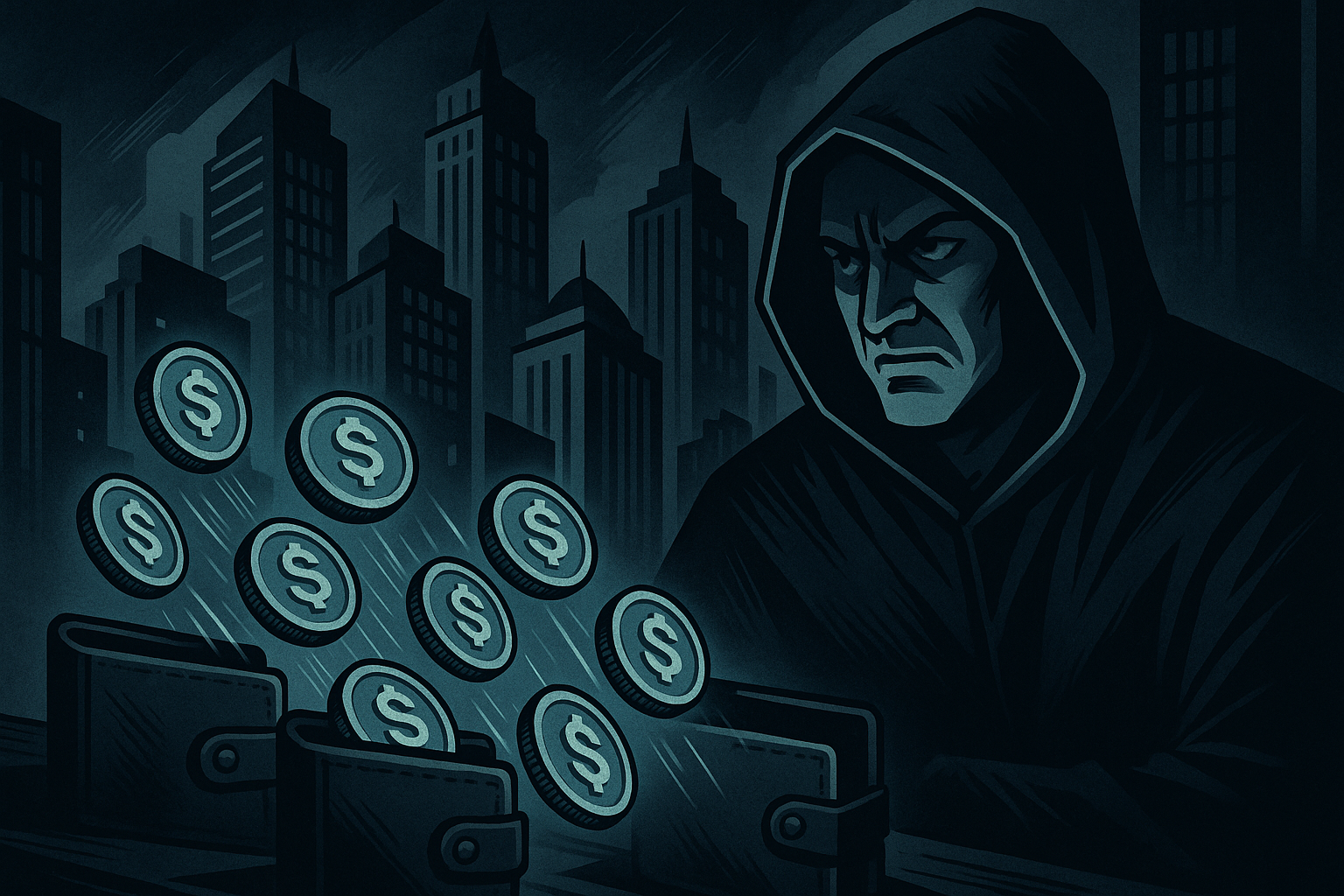
Anonymity and Global Reach: Like other virtual assets (VAs), stablecoins possess the potential for anonymity and can be transferred globally without restrictions. This makes them susceptible to money laundering (ML) and terrorist financing (TF) activities.
-
Unhosted Wallets: Transactions involving unhosted wallets, which are not directly managed by AML/CFT-compliant entities, add another layer of risk. Such wallets can obscure the trail of illicit funds, complicating regulatory oversight.
Regulatory Landscape
The Hong Kong Monetary Authority (HKMA) and international bodies like the Financial Action Task Force (FATF) have underscored the need for robust regulatory frameworks to mitigate these risks. There is a consensus on the importance of due diligence for institutions providing custodial wallets and implementing controls for unhosted wallets.
Key Regulatory Measures:
-
Due Diligence for Custodial Wallet Providers: Institutions like financial institutions (FIs) or Virtual Asset Service Providers (VASPs) must conduct thorough due diligence when onboarding customers to ensure compliance with AML/CFT obligations.
-
Controls for Unhosted Wallets: Implementing additional controls for transactions involving unhosted wallets is crucial. This includes enhanced transaction monitoring and risk assessments.
Strategies for Risk Management
To effectively manage the risks associated with stablecoin onboarding, institutions should consider the following strategies:
-
Comprehensive Risk Assessment: Develop a risk matrix that evaluates potential threats, focusing on the anonymity and mobility of stablecoins. This assessment should include the evaluation of wholesale stablecoins and fiat-backed stablecoins.
-
Enhanced KYC Practices: Strengthen Know Your Customer (KYC) protocols by leveraging advanced technologies such as AI-driven analytics and blockchain forensics to verify identities and monitor transactions.
-
Collaboration and Information Sharing: Foster collaboration between industry players and regulators to share intelligence on emerging threats and best practices.
-
Regular Audits and Compliance Checks: Conduct periodic audits to ensure adherence to regulatory standards and adjust compliance frameworks as new regulations emerge.
Conclusion
The journey of integrating stablecoins into the financial system is fraught with challenges, particularly concerning compliance and risk management. As highlighted by the HKMA and FATF, a well-regulated environment is crucial to mitigate the vulnerabilities of stablecoins. By adopting robust due diligence measures, enhancing KYC protocols, and fostering industry collaboration, institutions can navigate the complexities of stablecoin onboarding while safeguarding against illicit activities.
As the digital asset ecosystem continues to mature, StanComp remains committed to providing expert guidance and support to help institutions manage compliance risks effectively. For more insights and updates on digital asset regulations in Hong Kong, visit StanComp.
By staying informed and proactive, we can ensure that stablecoins fulfill their potential as secure and efficient financial instruments in the digital age.