
Hong Kong Compliance: PSO, VA OTC Licensing & KYT

Hong Kong Compliance: PSO, VA OTC Licensing & KYT
If you run a VA OTC desk in Hong Kong—or you’re building rails that touch fiat and crypto—you now sit at the intersection of three regimes: payment systems, AMLO licensing, and transaction monitoring. Get any one wrong and the rest wobble.
Here’s how to keep them aligned.
Why “PSO” matters (and what it really is)
- In practice, people still say “PSO,” but the law you should anchor to is the Payment Systems and Stored Value Facilities Ordinance (Cap. 584), overseen by the HKMA. It regulates:
- Designated retail payment systems (e.g., FPS)
- Stored value facility (SVF) issuers (e.g., Octopus, AlipayHK)
- If you’re just a merchant accepting FPS or a licensed SVF, you don’t need a payments licence. But:
- If you issue your own wallet/prepaid balance, you may be operating an SVF and require a licence unless an exemption clearly applies.
- If you build a scheme that clears/settles across multiple participants and could be systemic, you risk falling inside designated payment system oversight.
Useful link: Cap. 584 (PSSVFO) on eLegislation
What’s coming: A VA OTC licensing regime under AMLO The Financial Services and the Treasury Bureau (FSTB) has proposed bringing VA OTC providers under the Anti‑Money Laundering and Counter‑Terrorist Financing Ordinance (Cap. 615). The consultation takes cues from both the SFC’s virtual asset trading platform (VATP) regime and the Customs & Excise Department’s money service operator (MSO) rules. Expect:
- Licensing plus AML/CTF obligations under AMLO Cap. 615, with an application process the Government has signalled it wants to simplify to reduce cost.
- Governance: appointment of a competent Compliance Officer and (in practice) an MLRO, mirroring VATP/MSO expectations.
- Customer wallet rules: use of a wallet not owned by the VA OTC client will be disallowed; firms should verify ownership (e.g., a micropayment test where the client signs or returns a dust transfer).
- Market size context: law enforcement prelim data points to ~200 physical OTC shops (including ATMs) and ~250 online platforms/posts—regulators know the sector is sizable.
- Scope calibration: the proposal “straddles” VA and money service risks. Don’t assume MSO coverage alone is enough—this is a separate licence path.
Useful links: AMLO Cap. 615 on eLegislation, FSTB VA OTC consultation document
KYT that actually works for OTC KYC is table stakes. KYT—Know Your Transaction—is what keeps you operating safely when flows spike.
Build your stack around three controls:
-
On-chain analytics integrated with your onboarding
- Screen source/destination wallets for sanctions, darknet, mixers, theft, fraud typologies.
- Enforce the “client-owned wallet” rule: require a signed message, Satoshi/dust return, or blockchain-based address proof. Reject custodial exchange deposit addresses unless ownership is provable.
-
Real‑time rules and thresholds
- Flag structuring: multiple sub‑HK$120,000 cash buys within 7 days (illustrative) that sum to a higher risk threshold.
- Trigger enhanced due diligence when a client switches from clean self‑custody to a high‑risk exchange cluster mid‑session.
- Geo‑risk: heightened checks for transits involving sanctioned or high‑risk jurisdictions.
-
Case management with audit trails
- Every alert should have investigation notes, decisions, and SAR logic. Assume on‑site inspections will ask for this within hours, not days.
- Map VA→fiat and fiat→VA flows to counterparties. If the Travel Rule is extended to this regime (likely alignment with existing VASP expectations, subject to final bill), ensure you can exchange originator/beneficiary information with counterpart platforms.
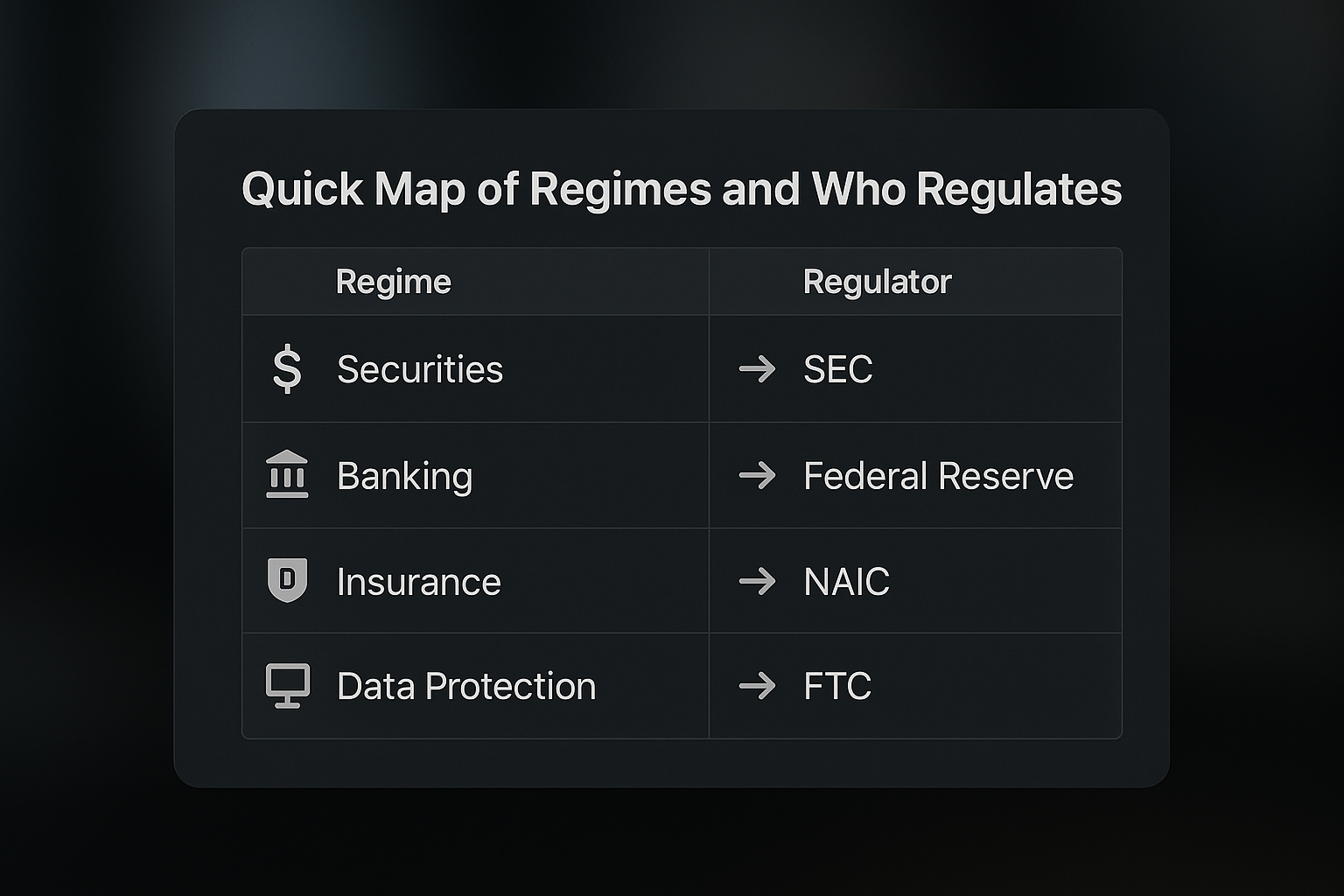
| Topic | Law/Regime | Who regulates | When you likely need it |
|---|---|---|---|
| Payment acceptance (FPS/SVF) | Cap. 584 (PSSVFO) | HKMA | No licence if you’re a merchant using licensed providers; licence needed if you issue your own stored value |
| VA OTC service | Proposed under AMLO Cap. 615 | FSTB to legislate; regulator to be designated | Licence to operate OTC VA buy/sell (physical shops, online) |
| VATP (order-book exchanges) | SFO/AMLO VATP regime | SFC | If you run a trading platform, not OTC |
Action checklist for founders
- Scope mapping: list your fiat payment methods, crypto tokens handled, and custody touchpoints. Identify any SVF‑like features you must remove.
- Pre‑application hygiene: draft your AML/CFT programme, business risk assessment, and appoint a seasoned Compliance Officer and MLRO before you file.
- KYT deployment: integrate an on‑chain analytics provider, set rules, and test with at least 50 historical cases (illustrative) to calibrate false positives.
- Wallet controls: implement client‑owned wallet checks (micropayment or signed message) and block third‑party wallets by default.
- Record‑keeping: retention policies for five to seven years (align to AMLO), with immutable logs for alerts and decisions.
Bottom line OTC in Hong Kong is moving from “light touch plus best efforts” to a formal licence with bank‑grade AML. Align your PSO/PSSVFO exposure, prepare for AMLO‑based OTC licensing, and make KYT the centre of your control room—not an afterthought. If you get these three right early, your banking access and regulator conversations get much easier.


