
HKMA Stablecoin Sandbox: Fit-and-Proper & Source of Funds

HKMA Stablecoin Sandbox: What “Fit-and-Proper” and “Source of Funds” Really Mean
If you’re in Hong Kong’s stablecoin sandbox, two questions keep cropping up: who exactly must be “fit-and-proper,” and how deep should you go on source-of-funds (SoF) checks—especially when unhosted wallets are in the flow?
Short answer: expect bank-grade standards, even in pilot. The HKMA’s conversations with sandbox participants point to three pressure points you should solve before scaling: custodial wallet due diligence, unhosted wallet controls, and downstream distribution risk.
Why this matters now
- The HKMA has signaled that institutions (FIs or VASPs) providing custodial wallets for stablecoin holders will face due diligence expectations, and that unhosted wallet risks must be mitigated. See the consultation conclusions on AML for stablecoins.
- The HKMA also noted distributors may engage third-party custodians to hold stablecoins. Issuers remain responsible for oversight of that chain.
- Stablecoin issuers licensed by the HKMA that also custody their issued coins will be under ongoing supervision, including segregation, audit and full AML/CFT controls (see the FSTB/HKMA consultation on virtual asset custodian services).
- Globally, accounting is moving too: per Bloomberg reporting, new SEC staff guidance suggests USD-pegged stablecoins could be cash equivalents if there’s guaranteed redemption. That raises the bar for reserve, redemption, and custody evidence.
What “fit-and-proper” looks like in practice Apply it at two layers: your own team/entities, and any institution providing custodial wallets to your users.
- Governance and people: clean regulatory and criminal records; demonstrated integrity; relevant experience operating payment/VA infrastructure; clear delineation of control functions; HK AMLRO with real authority.
- Financial soundness: audited financials; minimum capital and liquidity buffers appropriate to issuance and redemption risk; stress-tested redemption playbooks.
- Technology and custody competence: formal key management (HSMs, MPC), dual-control operations, SOC 2 Type II or ISAE 3402 reports, penetration testing, incident response drills.
- Legal structure and investor protection: asset segregation arrangements, trust/segregated accounts, enforceable custodial terms, and independent reconciliation and audit.
- For third-party custodial wallet providers (FIs or VASPs): licensing status, jurisdictional risk, sanction posture, Travel Rule capability, insurance coverage, wallet warm/cold policy, downtime SLAs, and data residency.
Source of funds and unhosted wallet controls The HKMA expects robust SoF/SOW, not just KYC. When unhosted wallets are involved, layer controls so that risk is identified, validated, and mitigated before funds are usable.
- Prove ownership of unhosted addresses: cryptographic signing or micro-transfer verification; bind to a verified customer profile; re-verify on change.
- Risk-score on-chain flows: use chain analytics for sanctions, darknet, mixers, gambling, ransomware; set clear thresholds for EDD, manual review, or refusal.
- Travel Rule: integrate a Travel Rule provider; exchange originator/beneficiary data with host VASPs; if counterparty is a private wallet, capture and retain enhanced payer information.
- SoF/SOW documentation: require bank statements, payroll, sale contracts, or corporate financials for material inflows; align triggers to HK AMLO Schedule 2 risk levels.
- Transaction controls: velocity limits, cooling-off, source-of-funds attestation for first use of an unhosted address, and automated holds for high-risk typologies.
- Record-keeping and audit: immutable logs of address proofs, analytics decisions, and reviewer notes; evidencing will matter in licensing.
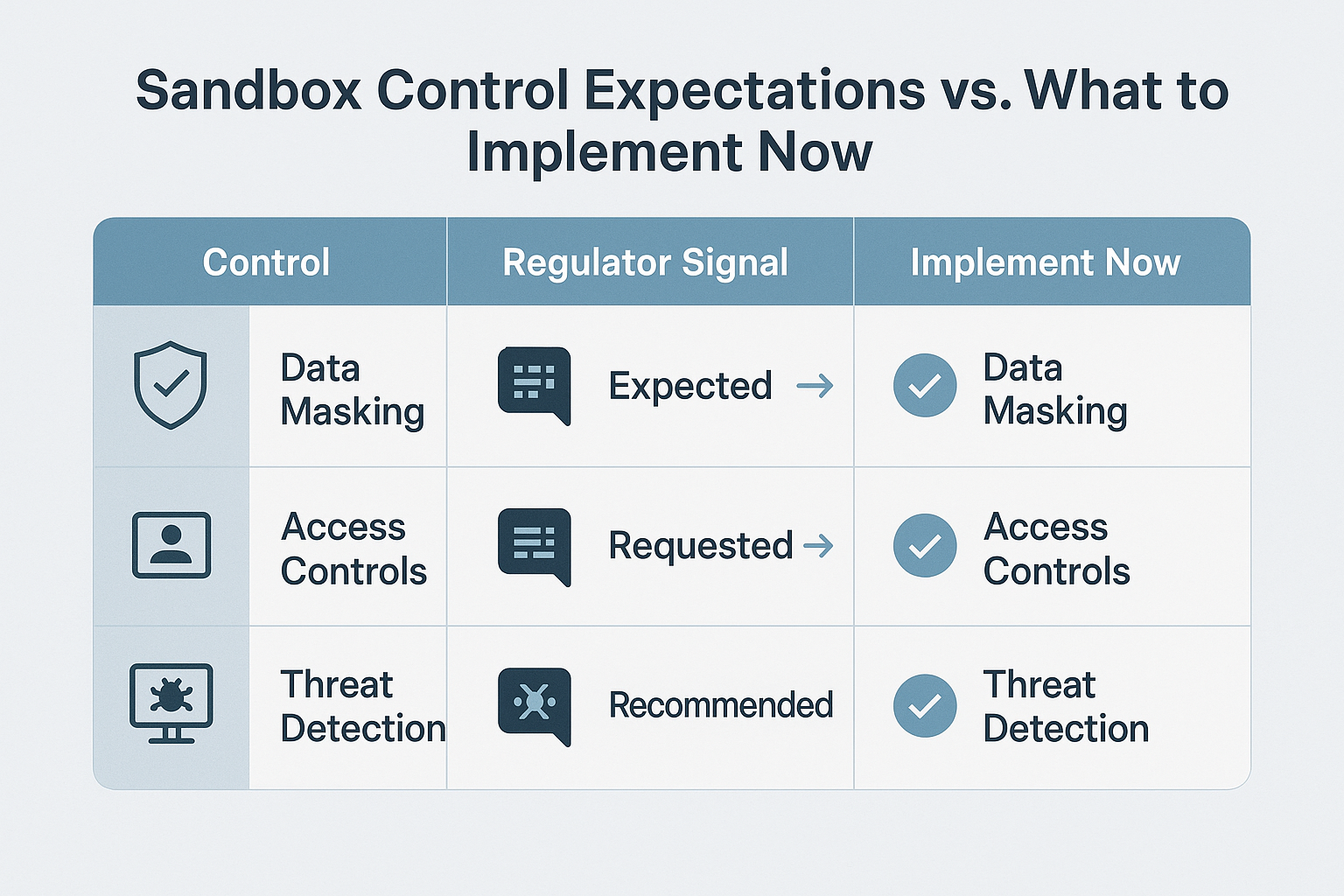
- Control | Regulator signal | Implement now
- Custodial wallet DD | FIs/VASPs providing wallets need DD | Formal vendor risk review, SOC2/ISAE, licensing checks, HSM/MPC attestation
- Downstream custodians | Distributors may use third-party custodians | Contractual flow-down of standards; right-to-audit; asset segregation attestations
- Unhosted wallets | Additional controls required | Address ownership proof, analytics risk-scoring, allowlisting, Travel Rule handling
- SoF/SOW | Full AML/CFT requirements | Documented SoF triggers, EDD pack templates, reviewer training, MI dashboard
- Safekeeping | Segregation, audit, records | Daily reconciliations, independent reserve attestations, incident runbooks
Contracting: close the gaps regulators will ask about
- Flow-down obligations: require distributors to bind any sub-custodian to your standards; include notification duties for breaches and changes of control.
- Data and audit rights: ensure you can obtain logs, SOC reports, and reconciliations from distributors and their custodians within defined timelines (e.g., 5 business days).
- Termination levers: ability to suspend mint/burn or distribution if AML/CFT or safekeeping standards slip.
30-day action plan
- Run a custodial wallet provider due diligence refresh and document findings in a board paper.
- Implement address ownership proofs and tighten allowlisting for all unhosted flows above a defined threshold (e.g., HKD 8,000—illustrative).
- Integrate a Travel Rule solution and test with at least two counterpart VASPs.
- Publish a SoF/SOW standard with clear documentary checklists and escalation thresholds; train reviewers.
- Produce MI for the HKMA: weekly dashboard on inflow risk ratings, EDD rates, and disposition times; monthly reconciliation and reserve attestation.
Regulation is converging on a simple idea: if redemption is “guaranteed,” controls must be too. Build them now, while you’re still in the sandbox.


