
HK Compliance: VA Insurance, EDD & CBDC Playbook

Introduction
Hong Kong’s digital asset stack is maturing fast: custody rules are taking shape, insurers are back at the table, and the CBDC experiments are no longer just white papers. If you’re running a VASP, fund, or custody business, three workstreams will define your 2025 risk posture: insurance, enhanced due diligence (EDD), and CBDC readiness.
Why this matters now
- The Government’s “Digital Assets” policy stance (Policy Statement 2.0) signals retail access and tokenisation pilots, while preferring the term “Digital Assets” over “Virtual Assets” to align globally.
- The SFC’s 2025 ASPIRe roadmap opens doors to staking, lending/borrowing, and derivatives—great for product, demanding for controls.
- The proposed custodian regime will anchor AML/CFT obligations squarely in Schedule 2 of the AMLO, with full CDD and record-keeping—no shortcuts.
- Stablecoin guidance tightens oversight on custodial wallets and adds controls for unhosted wallets—EDD moves from policy shelf to daily operations.
- Virtual Asset Insurance: what’s actually insurable in 2025
Insurers are selective, but cover is available if your control environment is audit-ready. Expect scrutiny over segregation, cold storage, key ceremonies, and incident response.
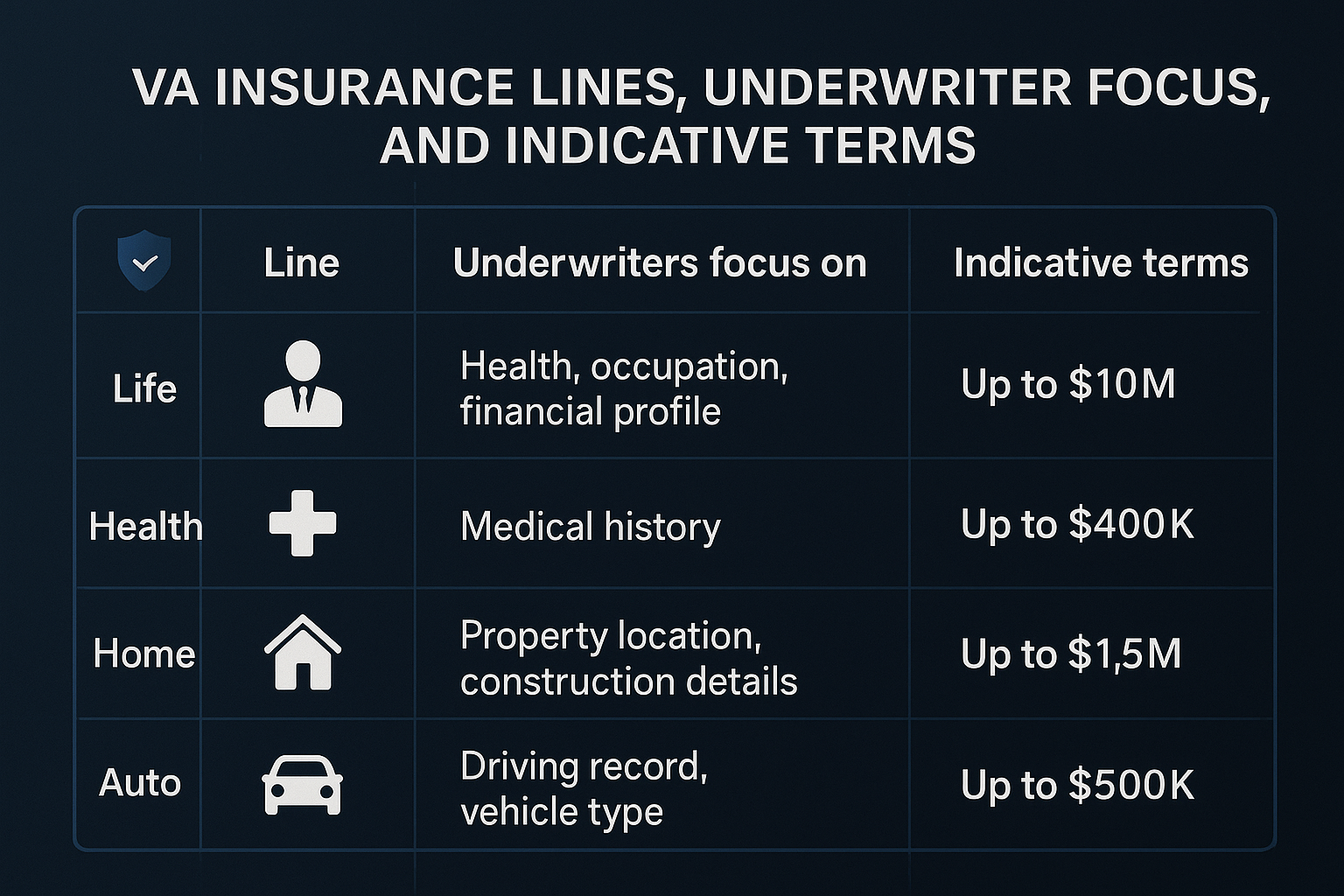
- Line: Crime/Specie (custody theft)
- Underwriters focus on: 95%+ cold storage, 4-eyes key access, HSMs/MPC, SOC 2 Type II, chain-of-custody logs
- Indicative terms: Limits US$10–100m; premiums 1.2%–3.5% of limit (illustrative)
- Line: Cyber (hot wallet, ransomware, data breach)
- Underwriters focus on: 24/7 monitoring, EDR, network segmentation, secret management, tested playbooks
- Indicative terms: Limits US$5–25m; sublimits for social engineering (illustrative)
- Line: Professional Indemnity/D&O
- Underwriters focus on: disclosures, governance, board oversight, regulatory permissions
- Indicative terms: Often packaged with crime/cyber; retentions can be high (illustrative)
What to do now
- Map asset flows against custody types (hot/warm/cold) and quantify exposure per tier; right-size limits to your 95th percentile AUM-at-risk.
- Evidence resilience: publish a redacted key ceremony report, recent pen test, and SOC 2 Type II. Insurers price certainty.
- Align with SFC’s April 2025 circular on VA-exposed funds for custody standards that fund LPs will expect: https://apps.sfc.hk/edistributionWeb/gateway/EN/circular/doc?refNo=25EC21
- EDD that passes audit (and inspection)
The proposed custodian framework makes it clear: licensed or registered VA custodians must meet AMLO Schedule 2 CDD and record-keeping standards. Read: robust onboarding, risk rating, and refresh cycles. See AMLO Cap. 615 here: https://www.elegislation.gov.hk/hk/cap615
Stablecoin angle: where you provide custodial wallets for stablecoin holders, build “unhosted wallet” controls in line with the AML/stablecoin conclusions—expect proof-of-ownership and behavioral monitoring for transfers to/from self-custody.
Your 2025 EDD checklist
- Source of wealth/funds: corroborate with third-party data, not just bank slips. For staking/lending income, validate protocol addresses and on-chain history.
- Unhosted wallets: require signed message or micro-transaction verification; set transaction-size and velocity thresholds for first 90 days.
- Sanctions and VA analytics: screen addresses pre-deposit and pre-withdrawal; document false-positive handling.
- Governance: keep a single “EDD Dossier” per high-risk customer with evidence, analyst narrative, and management sign-off.
- Travel Rule: ensure interoperable messaging; test with counterparties monthly. See the 2023 SFC/HKMA circular for expectations: https://apps.sfc.hk/edistributionWeb/gateway/EN/circular/doc?refNo=23EC67
- CBDC (e-HKD) readiness: why prepare before go-live
HKMA’s CBDC work (including e-HKD pilots) is trending toward programmable payments and tokenised asset settlement. Even before retail e-HKD scales, firms that support CBDC rails will face bank-grade AML/CFT expectations.
Build for CBDC now
- Wallet segregation: design ledger partitions for fiat, e-HKD, and stablecoins to avoid co-mingling headaches.
- Rule-based compliance: implement policy engines for allow-lists, time-locked disbursements, and purpose-bound transfers (common CBDC pilot features).
- Record-keeping: align logs to AMLO Schedule 2 retention. CBDC transaction metadata is a supervisory magnet.
Practical playbook for Q1–Q2 2025
- Insurance: run a market sounding with two brokers; prepare a control narrative and loss scenarios; target binding within 60–90 days.
- EDD: harden unhosted wallet controls; roll out proof-of-ownership and post-trade surveillance; refresh high-risk files quarterly.
- CBDC: add an e-HKD sandbox wallet and simulate payroll or coupon use-cases; document outcomes for your board and regulators.
Conclusion
Hong Kong is not just opening the door to more digital asset products; it’s tightening the hinges. If you pair insurable custody with audit-proof EDD and CBDC-ready controls, you won’t just pass inspection—you’ll win mandates when ASPIRe products hit the market. Build it once, build it right, and you’ll feel the compounding benefits by year-end.


