
HK Compliance: ESG Tokens, Travel Rule & Stablecoin Sandbox

Introduction
Hong Kong is tightening the screws on three fronts founders ask me about weekly: ESG token structures that actually pass diligence, Travel Rule data flows that don’t break user experience, and the emerging stablecoin sandbox. The direction is clear from recent consultation conclusions on AML/stablecoins (transaction monitoring, sanctions screening, unhosted wallet controls) and the Government’s Policy Statement 2.0 endorsing pilots for licensed stablecoins in payments. Meanwhile, the SEC’s fresh staff guidance — reported by Bloomberg — hints USD stablecoins with guaranteed redemption could be treated as cash equivalents. That reshapes treasury policy and disclosure for groups touching the U.S.
Here’s how to move now without tripping licensing or AML/CFT wires.
ESG tokens that survive audit and enforcement
Tokenisation is easy. Verifiable ESG is not.
- Anchor to recognised frameworks: map your token’s KPI attestation to ISSB IFRS S1/S2 or HKEX ESG Reporting Guide; for impact claims (e.g., carbon), tie to VCM standards (ICVCM/ICROA) and name the registry.
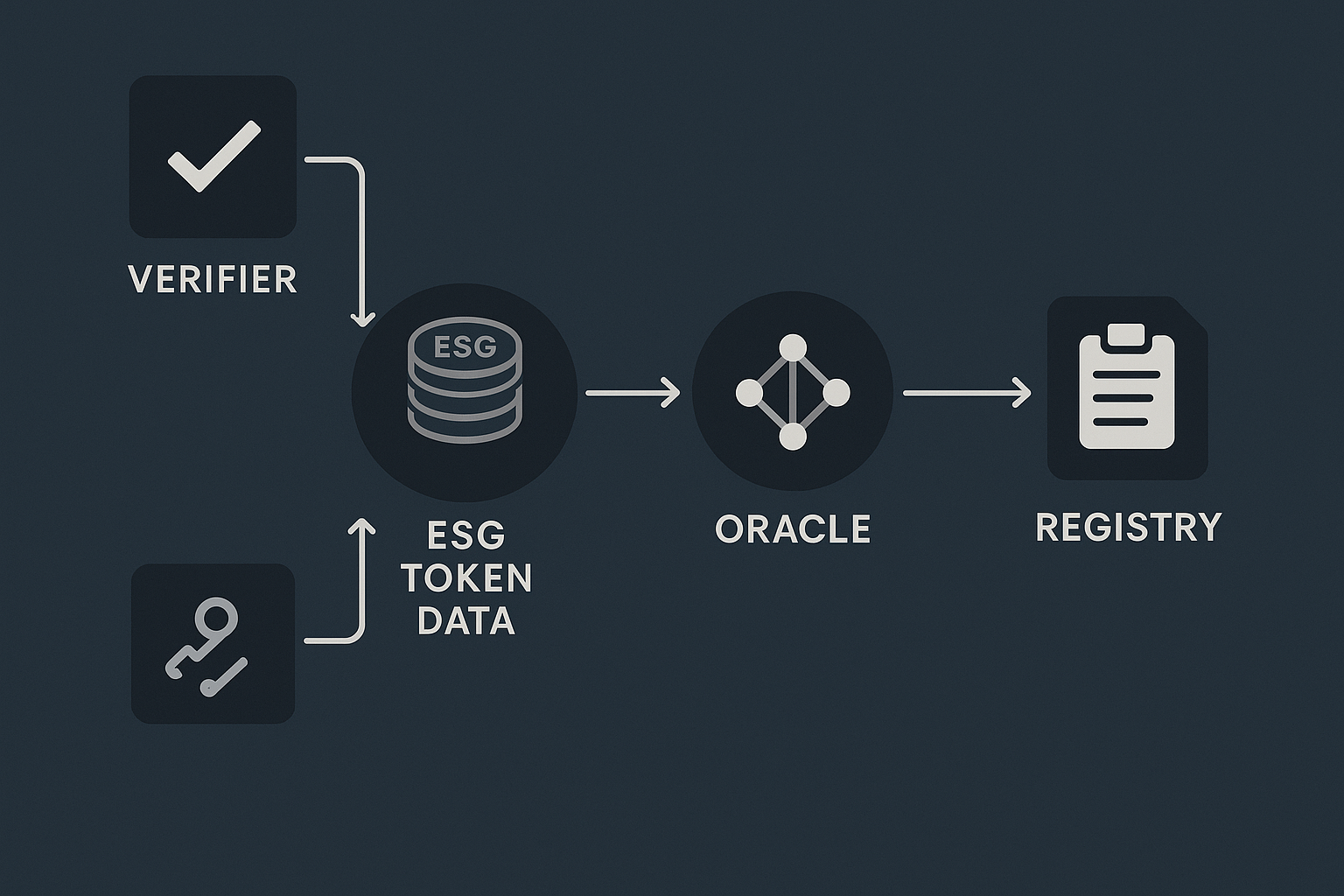
- Hard-wire verification: require a second-party opinion before mint, and on-chain oracles to publish periodic KPIs (e.g., energy savings, tCO2e retired). Freeze transfers if the oracle fails.
- Redemption and reversals: embed a redemption right for off-chain asset or cash, and an emergency burn/replace process for misstatements.
- Segregate proceeds: place token sale proceeds in ring-fenced trust/segregated client account to avoid asset commingling risk during insolvency.
Travel Rule and sanctions screening without breaking UX
Hong Kong’s AML/CTF regime for virtual assets aligns to the FATF “Travel Rule”: VASPs must exchange originator/beneficiary details and perform sanctions screening for transfers, with additional controls for unhosted wallets per the recent consultation conclusions (essential information for monitoring, screening and risk mitigation). See FATF guidance for baseline expectations: https://www.fatf-gafi.org/en/publications/Fatfrecommendations/Fatfguidance-virtual-assets-vasps.html
Practical setup:
- Thresholds and data fields: implement full Travel Rule data for VASP-to-VASP transfers at the global market norm (~USD/EUR 1,000; confirm your licence conditions). Collect and validate minimum fields even below threshold to handle chain analytics alerts.
- Protocol choice: support at least one interoperable messaging rail (e.g., TRISA, TRP). Measure delivery success rate — aim ≥ 98% within 30 seconds (illustrative).
- Unhosted wallets: run name screening where available, plus address risk scoring. For high-risk scores, require “test micro-transfer + signed message” to bind the wallet to a verified customer.
- Sanctions and PEP: screen names and wallet addresses pre- and post-transfer; keep evidence of match resolution. Set timeouts (e.g., 2 hours) for pending hits with auto-cancel if unresolved.
Custodial wallet due diligence for stablecoins
The consultation conclusions explicitly ask whether institutions should perform due diligence on custodial wallet providers for stablecoin holders and add controls for unhosted wallets. Treat the wallet provider like a financial market infrastructure:
- Legal and governance: licensing status (HK VASP or equivalent), audited financials, ultimate beneficial owners.
- Safekeeping: segregation model (omnibus vs. segregated on-chain), key management (HSM, MPC), disaster recovery RTO/RPO.
- Stablecoin asset risk: redemption mechanism, attestation frequency, reserve custodian jurisdictions, concentration limits.
- AML stack: Travel Rule capability, sanctions tooling, analytics provider coverage, SAR escalation playbooks.
Stablecoin sandbox: what to submit (and why)
Policy Statement 2.0 invites proposals to pilot licensed stablecoins for real payments — including potential government disbursements. This is a chance to prove utility under supervision.
Submit a package that answers three questions:
- Why this payment flow? Pick a pain point with measurable savings (e.g., T+0 settlement for B2B invoices; target 60% fee reduction vs. cards; illustrative).
- How is value protected? Detail 1:1 redemption rights, reserve custody, daily attestations, and wind-down plan.
- How will AML/CTF work in production? Provide Travel Rule integration, sanctions workflow, unhosted wallet gating, and anomaly detection thresholds.
Accounting angle you can’t ignore
Per Bloomberg, new SEC staff guidance suggests certain USD-pegged stablecoins could be cash equivalents if they have guaranteed redemption. For HK groups reporting under US GAAP, that may move stablecoin balances from “other current assets” to “cash equivalents,” improving liquidity ratios. Under IFRS, apply IAS 7: the instrument must be readily convertible to known cash amounts and subject to insignificant risk of changes in value — many stablecoins will still fail unless the legal redemption right and reserve disclosures are rock-solid. Coordinate with auditors early.
Quick readiness checklist
| Area | Owner | Evidence to keep |
|---|---|---|
| Travel Rule data delivery ≥98% | Compliance/Tech | Protocol logs, counterparty acknowledgments |
| Sanctions false positive rate <3% | Compliance | Screening metrics, case files |
| Stablecoin reserve attestation daily | Treasury/Issuer | Third-party reports, redemption logs |
| ESG oracle uptime ≥99.5% | Tech | Monitoring dashboards, failover tests |
Conclusion
Don’t wait for perfect clarity. Design tokens with verifiable ESG claims, implement Travel Rule and sanctions controls that work across VASPs and unhosted wallets, and prepare a sandbox pack that proves safety and utility. If you need a second set of eyes on your policy stack or sandbox submission, StanCOMP can help you pressure-test it for Hong Kong today.


